Introduction
In the fast-paced modern world, stress and anxiety have become common companions. Pranayama, an ancient yogic practice, offers a simple yet profound solution—control your breath, control your mind. Rooted in Hindu science, Pranayama harmonizes body, mind, and spirit, making it a cornerstone of holistic wellness.
What is Pranayama?
Pranayama combines two Sanskrit words:
Prana – life force or vital energy
Ayama – extension or regulation
Together, it means expansion and control of life energy through breath. By mastering breathing techniques, you can influence your mental state, physical health, and emotional balance.
Health Benefits of Pranayama
Improves Lung Capacity: Enhances oxygen intake and circulation.
Boosts Immunity: Supports detoxification and energy flow.
Balances Nervous System: Reduces stress hormones and promotes relaxation.
Supports Heart Health: Stabilizes blood pressure and improves cardiovascular function.
Pranayama for Positive Thinking
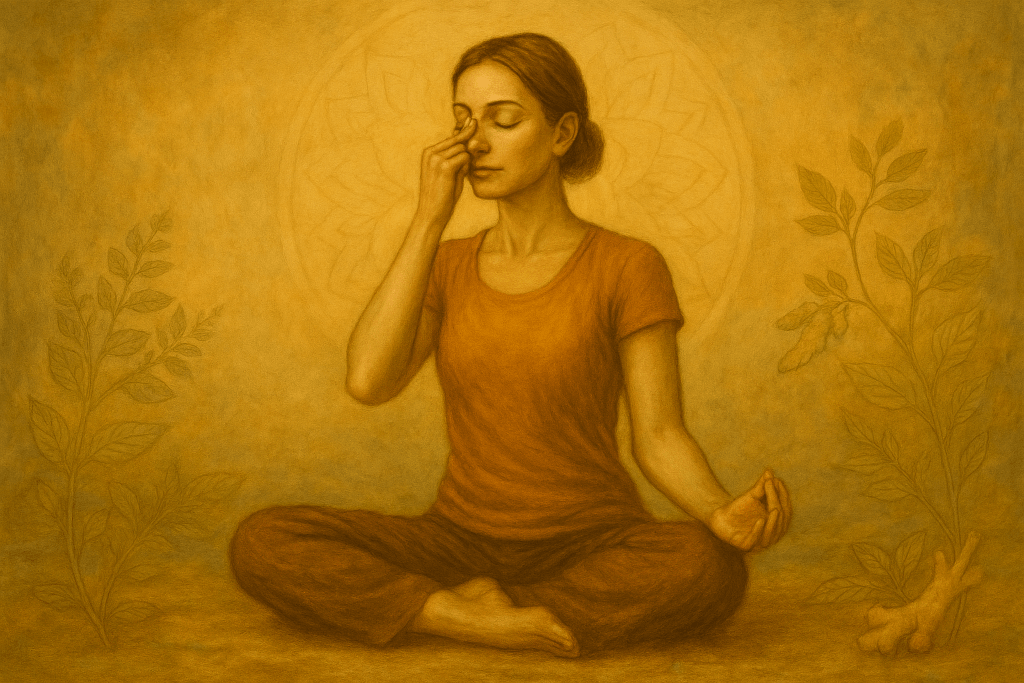
Breath and mind are deeply connected. Slow, rhythmic breathing calms the mind, reduces negative thoughts, and fosters optimism. Techniques like Anulom Vilom (alternate nostril breathing) balance brain hemispheres, improving clarity and emotional stability.
Mental Wellness Through Breath
Reduces Anxiety: Practices like Bhramari (bee breath) soothe the nervous system.
Enhances Focus: Ujjayi breathing sharpens concentration.
Promotes Emotional Balance: Regular practice helps manage anger, fear, and stress.
Popular Techniques
Anulom Vilom: Alternate nostril breathing for balance.
Kapalabhati: Detoxifying breath for energy.
Bhramari: Humming breath for calmness.
Sheetali: Cooling breath for relaxation.
How to Start
Sit comfortably with a straight spine.
Begin with 5–10 minutes daily, gradually increasing duration.
Practice on an empty stomach in a quiet space.
Register with us to help you plan your itenerary for authentic transformative experience Sahaj Dharshan https://sahajdarshan.com/auth/signup